
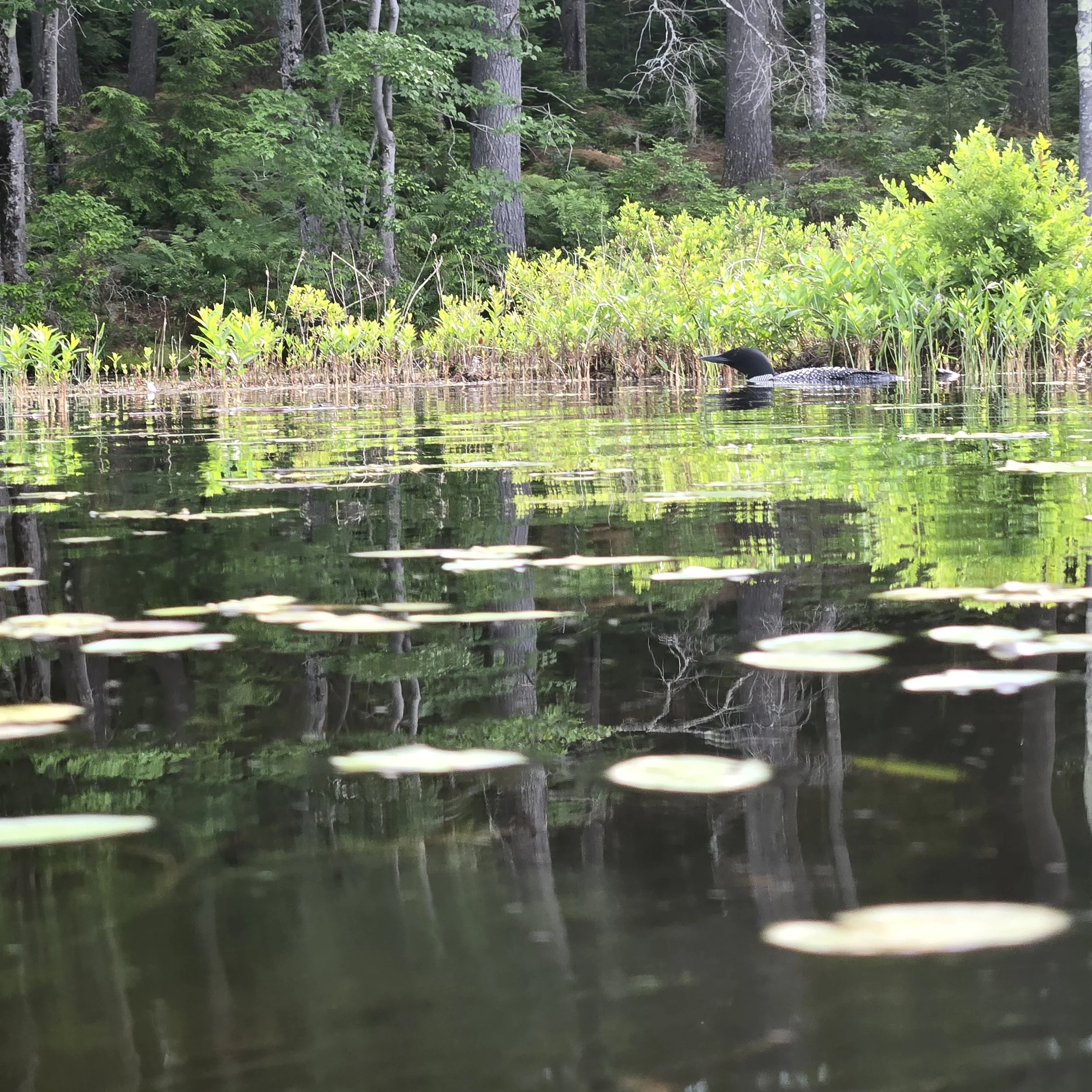
When people ask me what I do on a daily basis at the Squam Lakes Association, I usually am a little lost on how to answer. Between the myriad of programs, volunteer groups, projects, diving, manual labor, and what often feels like 20 other responsibilities, the best answer I can give is “a lot.” Among these many tasks one of them is personal projects, in which we attempt to fix or create a unique and tangible impact, leaving some sort of positive legacy for the organization long after we leave in November. As an overachiever I am involved in multiple projects, some of which I am doing independently or maybe helping one other person. But by far my favorite project is the one I’m doing that no one actually knows about. No staff member asked it of me, and to many people it's a secret hiding in plain sight. And in my grand delusions I think it could leave a large impact on the organization drawing in a whole new community of hobbyists, ones that never would have recognized this beautiful location in the first place.
According to the U.S. Fish and Wildlife Service there are over 96 million birders in the United States alone. These humble hobbyists contribute over $107 billion dollars to the economy each year, myself included with a nice new pair of binoculars. Birding has grown rapidly in popularity due to accessibility and integration with online resources like eBird and Merlin Bird ID which make the hobby easier to learn and far more social. As an avid user of these apps looking to get my next lifer (a bird species you have previously never seen) I was shocked to discover the Squam Lakes Association had no publicly recognized location or information regarding its birding. This reduces the odds of a local birder visiting here astronomically. On many occasions I have run into crowds of birders at sewage lagoons, city dumps, and commercially mined gravel pits simply due to their online reputation for hosting unique avian diversity. Noticing this gap in what could be Grafton County's next birding hotspot, I took it upon myself to put it on the map.
The most important aspects of a good birding hotspot are accessibility and bird diversity. The first part was easy: the Squam Lakes Association is already a fully walkable campus with parking, friendly staff, and even seasonal watercraft rentals. Anyone who comes here instantly recognizes its welcoming atmosphere and beautiful scenery. All I had to do was submit information online about the place and request it as an official birding hotspot. The next part, bird diversity, is where the real trouble comes in. Catalog as many species as possible in this location. And this is where the real fun has been for me in doing the thing I love most: birding.
Arriving in January to a frozen cove and snow-dusted ground, I immediately became excited about our seasonal winter migrants. In addition to our regular wintering backyard birds; blue jays, black-capped chickadees, downy woodpeckers, New Hampshire also sees the arrival of some more northerly boreal species traveling down from Canada. On January 18th, I spotted an evening grosbeak in the parking lot, and not even a week later a pine grosbeak sang high up in a white pine behind the barn. While the local hotspot wasn’t recognized yet and these species were not added to our total, I quickly gained confidence that this was a unique birding spot.
March saw an early thaw of Pipers Cove, inviting an abundance of waterfowl and birds of prey to the only open water for miles. Beautifully crowned hooded mergansers dove in sync to snatch small fish in the shallows. Soon after the Canada geese, common mergansers, black ducks, wood ducks, and ring-necked ducks followed suit to the cove. On March 10th the first bald eagle was spotted circling on the waterfowl, perhaps looking for tired prey after a long, drawn out winter.
In the midst of writing this article we are approaching the peak of spring migration, a phenomenon occurring from late April through May in which huge numbers of birds return from their southern wintering grounds to breed in our freshly greened backyards. As buds bloom and insects buzz a variety of warblers, vireos, hawks, hummingbirds and more fill the trees as if they never left. Squam has never looked more lively. I had a quick 30 minutes to bird before work last Friday and was met with a deafening chorus. Territorial song sparrows warded off yellowthroats among the thickets along the waterline, and a large great blue heron flew off as I rounded a corner. Warblers spanning all colors from yellow to green to blue darted quickly among the treetops, searching each little crevice and leaf for a small bug. Species count, 68.
As I think about legacy and what I can give back to the land while fulfilling my AmeriCorps mission of service, one of the first things that comes to mind is attention. How can we conserve something we don’t fully appreciate and recognize? So while I relish making the top ten spots in the county for species or am competitively distinguishing a willow flycatcher from an alder flycatcher, I remind myself that I’m doing this for the birds. My appreciation for these feathered friends is something I want to share with the world. Squam Lake is a special place to me. Its vibrant life brings me peace and hope. I feel truly blessed by this special land and all it provides me. So why not bring the world here to appreciate it just a little more?
*Special thanks to fellow LRCC members Ally and Eric for helping me in this endeavor. Your passion for birds through art, photography, checklists, and advice has been critical to my love for this project and the hobby of birding as a whole.*
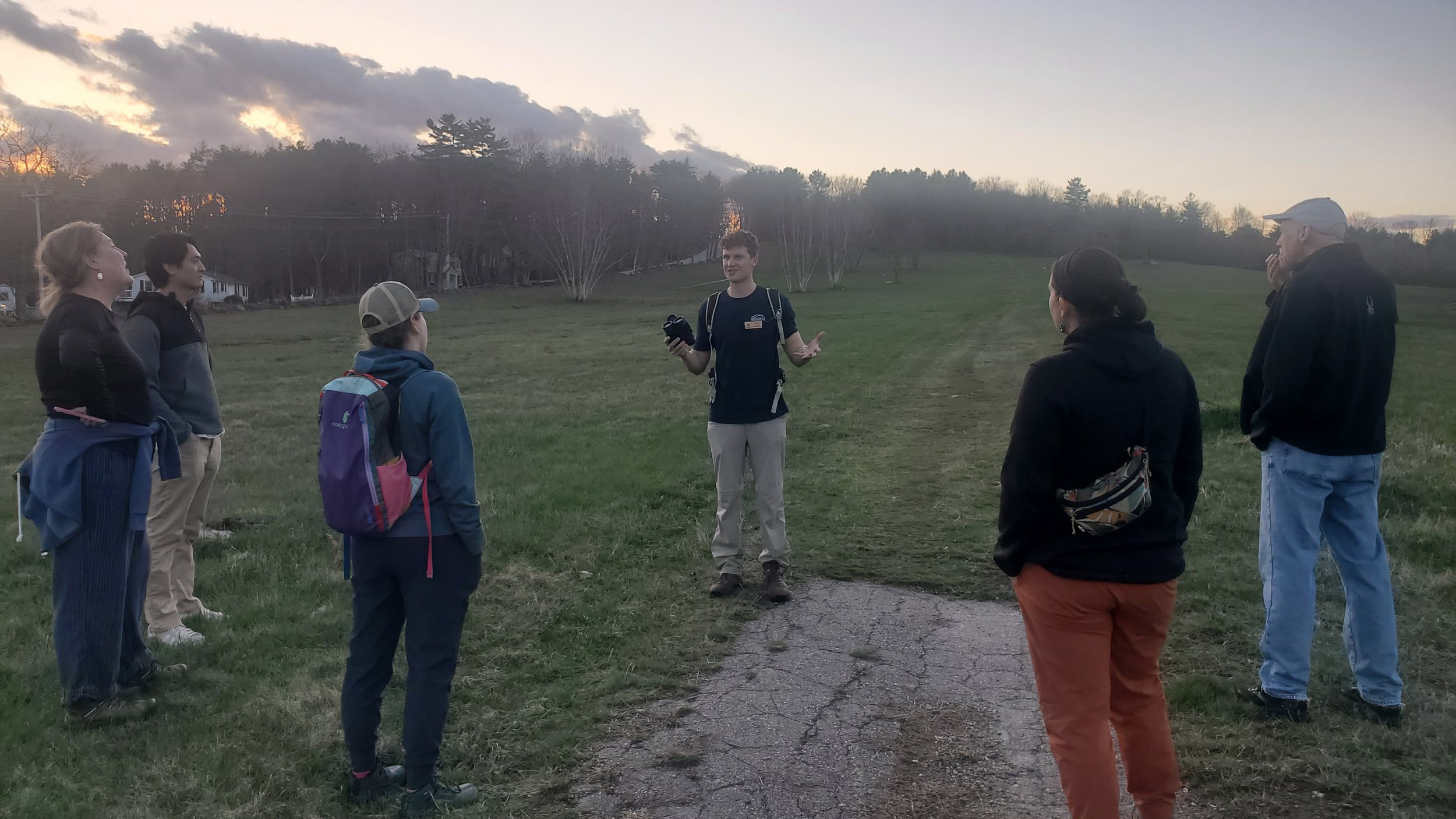
Kevin is a passionate 2026 LRCC Education and Outreach Assistant serving at the Squam Lakes Association. He recently graduated from the University of New Hampshire with a conservation degree. He is an avid birder and angler with a love for outdoor recreation. Kevin is knowledgeable in a variety of outdoor topics and ready to learn or share with others. Learn more about him here.