
This fall has been my favorite season serving with the LRCC. If you are familiar with my favorite hobby, sitting, you will be surprised by my next statement: this fall I went on multiple hikes. Usually sitting in nature or the occasional stroll is enough for me, but something about all the leaves changing and the weather cooling made me really want to be outside and hike. My friends were more than happy to encourage and join me in my hiking endeavors since they know how rarely inspired I am to do so. I stuffed my hiking backpack with inventory I have gathered since attending the LRCC’s Wilderness First Aid training and I was off. I traversed around New Hampshire on multiple hikes with my friends and had a wonderful time. Now, will I continue this passion into the winter? Probably not, but we shall see!
I am still unsure of where I will be moving to after my service term ends or what I will be doing this winter. I have decided that such information is classified and I am not yet authorized access. Instead, I have been trying to be present in my service and in this time in my life, since my next steps remain unclear. Currently, I am running an environmental program called VBAP (Volunteer Biological Assessment Program) where I teach students about the importance of macroinvertebrates (“macros” for short) in our streams and how they improve the health of the watershed.
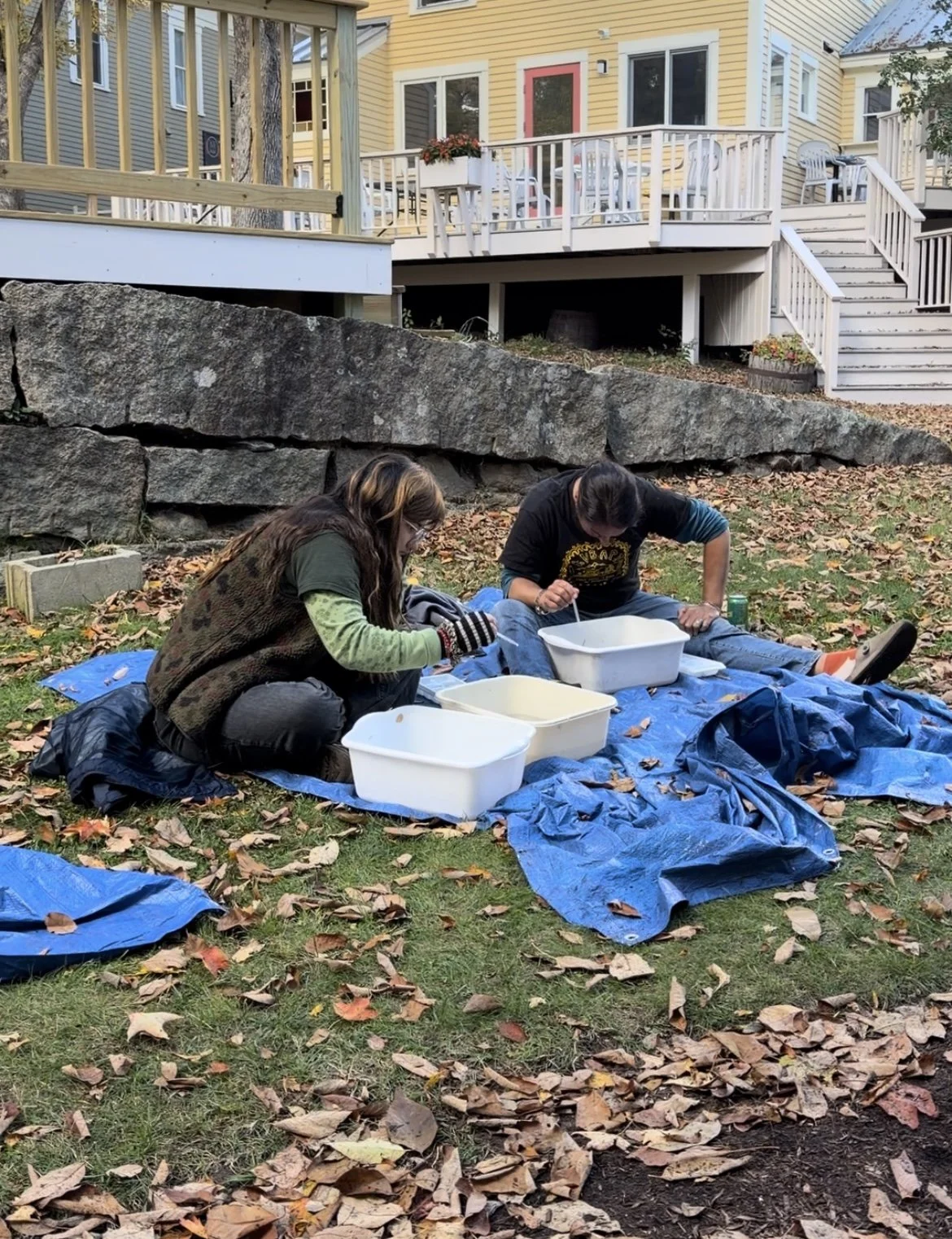
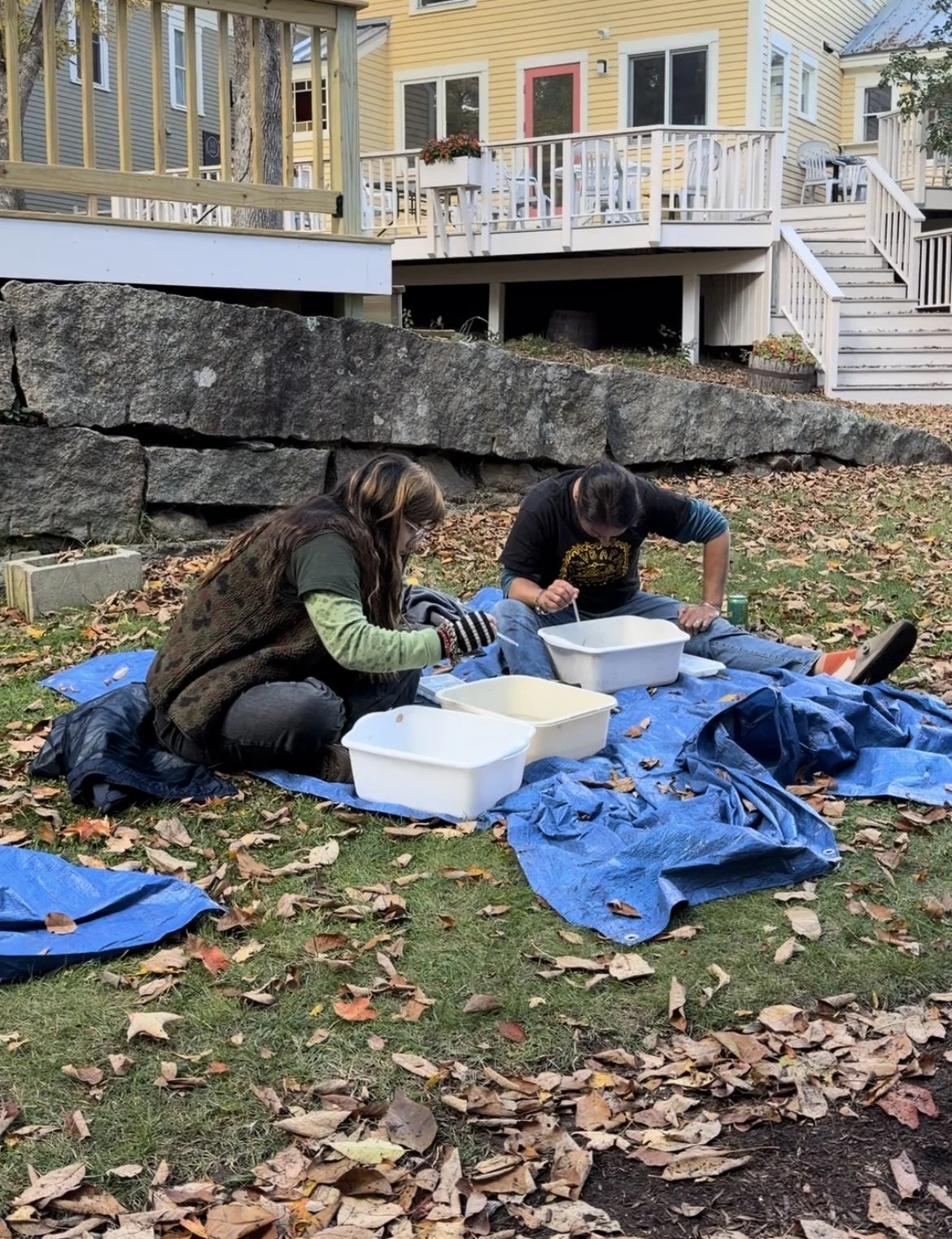
Part of VBAP is going to a nearby stream and collecting microplastic samples, macroinvertebrate samples, conducting a habitat assessment, and testing the stream’s water quality with the students. The first time I taught this part of the program I was leading the microplastic sampling station and I fell in the water. I should change my resume to emphasize my ability to teach hands-on programs since I am great at submerging myself into the content. Luckily it was still early fall, so it was warm enough for me to walk around with water in my shoe and teach 3 more groups. After the students went to each station we gave each group part of the collected macroinvertebrate sample along with pipettes, spoons, and an ice cube tray for them to find and sort all of the macros so we could count them later. I have spent a good portion of my time staring into bins filled with water, vegetation, and sediment trying to find any macros that the students may have missed. That has been the most peaceful part of the program for me: where everything is quiet and it's just me poking rocks and leaves with a spoon and seeing if anything moves. After counting all the macros, I go back to the office and put the data into different charts for the students to see what they found and explain how it affects the stream’s health.
One thing that I have learned about myself just by writing this journal and comparing it to my previous one from April, other than me processing that I am coming to the end of my service, was that my favorite parts have been at the office inputting data, making graphs, and explaining the graphs to the students. It reminds me of a quote said by one of the educators at Hubbard Brook, who said “science isn’t done unless it is communicated.” I think about it when the “science” that I am conducting includes me falling into streams and leading a game of trout tag. I have enjoyed helping people learn and understand more about the environment around them and I hope I can continue teaching in the future.
Rose is serving with Green Mountain Conservation Group as an Education Assistant. She graduated from the University of Connecticut with a degree in Agriculture, Natural Resources and Wildlife Conservation and has worked in forests, farms, and beaches. Rose loves talking about any environmental topics or about any good reality tv shows. Learn more about her here.