
Gazing upon Piper Cove, the wind skims the snow-covered ice, breaking the illusion of stillness. After snowfall, the silence settles heavily, as if the landscape is holding its breath. The boat launch, buried and dormant, feels like an artifact from another season. In summer, the same space erupts into green abundance: wildflowers introduce splotches of color, algae bloom, engines humming, and people laughing as kayaks and motorboats slide into the lake.
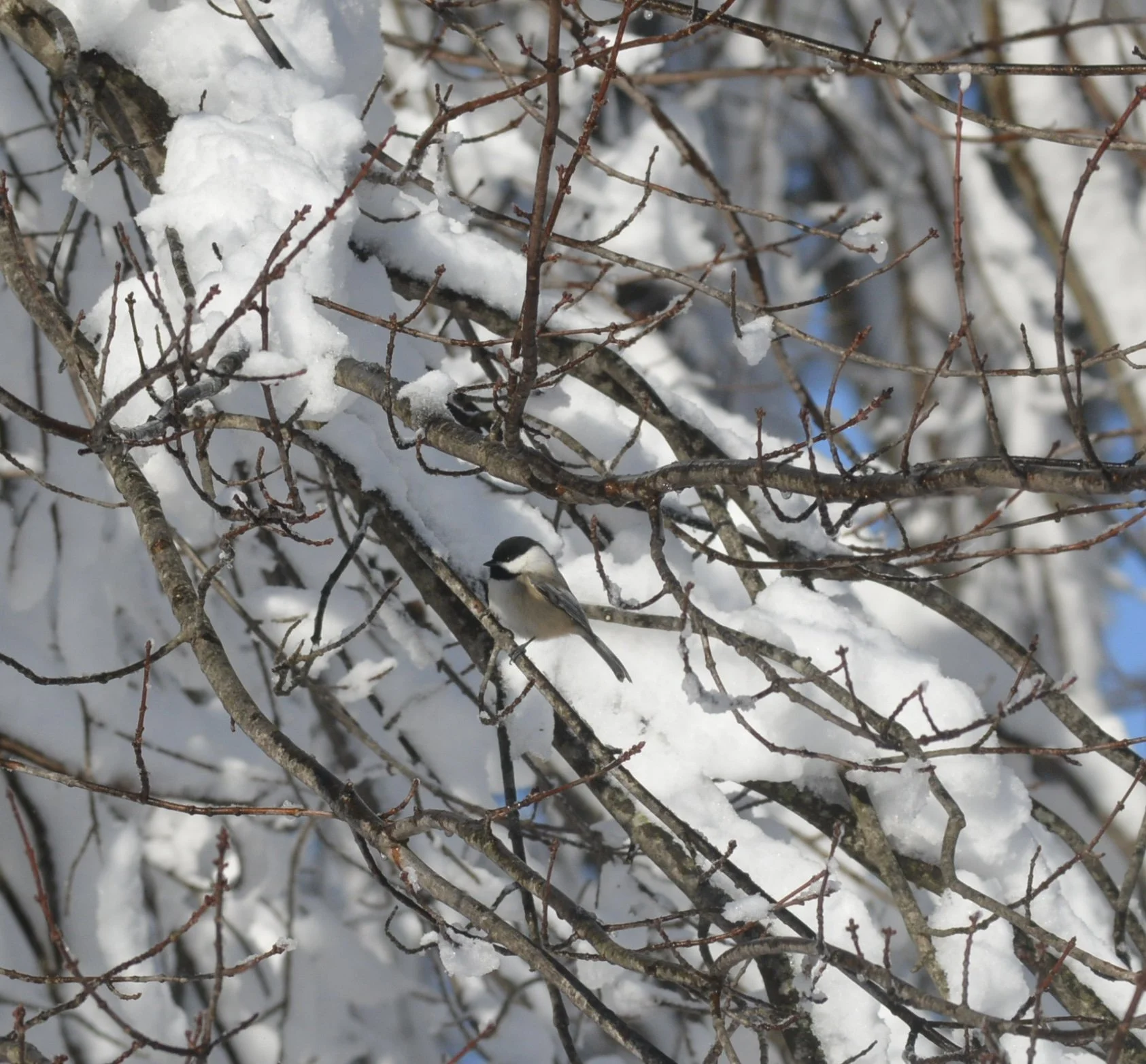
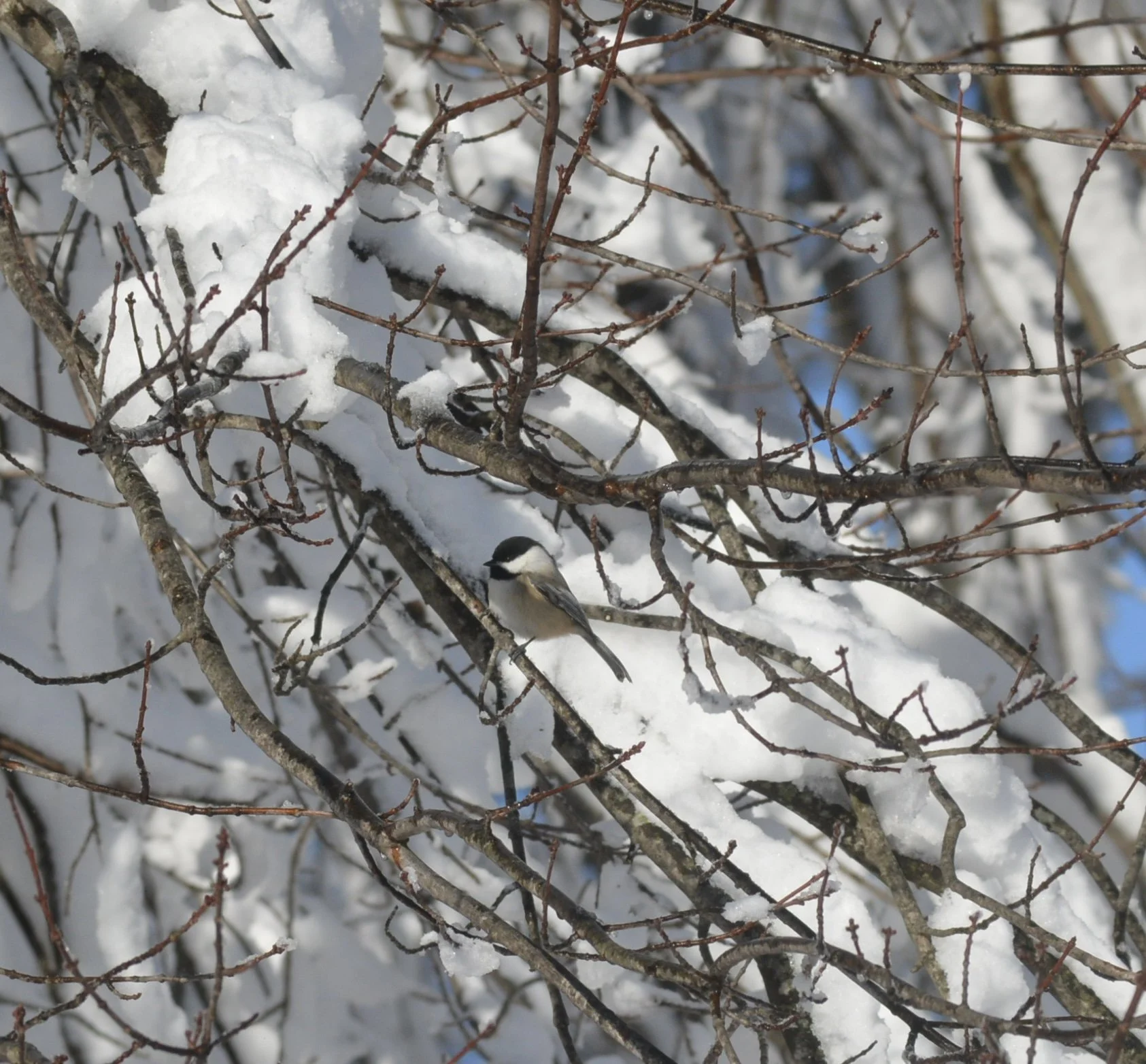
Although Squam Lake appears dormant in winter, close observation reveals ongoing activity among plants and animals. Beneath the snow, small mammals like voles, mice, and shrews create tunnels and use the Association’s wooden stairs for shelter. River otters cross the ice, leaving holes where they surface. Winter and year-round birds, including black-capped chickadees, dark-eyed juncos, tufted titmice, blue jays, and ravens, remain active in the trees, their calls maintaining social and territorial bonds. Dormant buds on the trees protect the next season’s leaves, flowers, and shoots.
Much like the wildlife whose activity is concealed beneath snow and ice, the Squam Lakes Association’s Lakes Region Conservation Corps continues its work during the winter in ways that are largely unseen. As a Volunteer Programs Assistant, I spend my days coordinating volunteers, communicating with schools, and preparing materials for programs that will only become visible during Winterfest or in the spring when activity at the lake ramps up again. This preparatory service functions as groundwork for sustaining environmental education and community engagement long before they become publicly visible. Like the voles, mice, and shrews tunneling beneath the snow, this labor occurs in concealed networks that support visible surface activity. And like the dormant buds on winter branches, it is oriented toward futures not yet realized, nurturing possibilities that will only unfold once conditions become favorable.
In the weeks leading up to Winterfest, much of my service feels akin to winter maintenance in the natural world. The other VPA, Chloe, and I have spent hours cutting paper snowflakes for decorations, transforming plain sheets into intricate patterns that will briefly animate and brighten indoor spaces. Outdoors, all of the Squam Lakes Association’s Conservation Corps’ members put in effort to remove snow from the ice to maintain skating rinks and clear pathways, reshaping the frozen surface so it becomes accessible to visitors and carving out gathering spaces that will later fill with people, movement, and sound. Beyond these visible preparations, the volunteer team has been taking inventory for Winterfest supplies, printing signage and labels, contacting local businesses to coordinate the chili cook-off, and tracking volunteer liability forms to ensure participants can safely engage in activities. Much like winter songbirds maintaining social networks through constant calling, our service sustains connections between volunteers and the broader community that allow public-facing conservation programming to emerge for special events like Winterfest during a season often imagined as dormant.
The winter landscape on Piper Cove holds a record of activity in its surface. Tracks appear, disappear, and reappear, revealing movement in a landscape often perceived as still. Wildlife tracks, the chatter of songbirds, underground burrows, and seed capsules littering the pollinator garden all mark the persistence of ecological systems that continue throughout the winter. Winter service, too, inscribes pathways across the season, literally by clearing snow paths and creating ice rinks, and more subtly through volunteer event planning and ongoing public engagement that will become more legible as the snow recedes. Paying attention to these traces reframes winter not as absence, but as a landscape shaped by continuous ecological and human presence. In many ways, this winter service quietly supports the broader goal of caring for the Squam Lakes watershed in terms of both resources and natural beauty, contributing to the collective stewardship and civic connection that AmeriCorps programs seek to cultivate. Beneath the winter stillness, our campus bears traces of life and service, a reminder that the lake, its wildlife, and the community it supports remain active and deeply connected year-round.
Ally is serving with Squam Lakes Association as a Volunteer Program Assistant. She is from Massachusetts and completed her Bachelor’s degree in biology last spring. In her free time, you’ll find her drawing, reading, or doing yoga. Learn more about Ally here.